The Day My Seven-Year-Old Declared War on Logic
Parents spend an enormous amount of time worrying about the wrong things. We worry about report cards, screen time, vegetables, college savings accounts, and whether our children will someday develop the inexplicable adult habit of paying twenty dollars for a hamburger because someone put the word “artisan” on the menu. What nobody warns you about is that one day your child will casually ask a question so absurdly profound that it completely derails your brain while they continue living their life as if nothing happened.
That is exactly what happened to me.
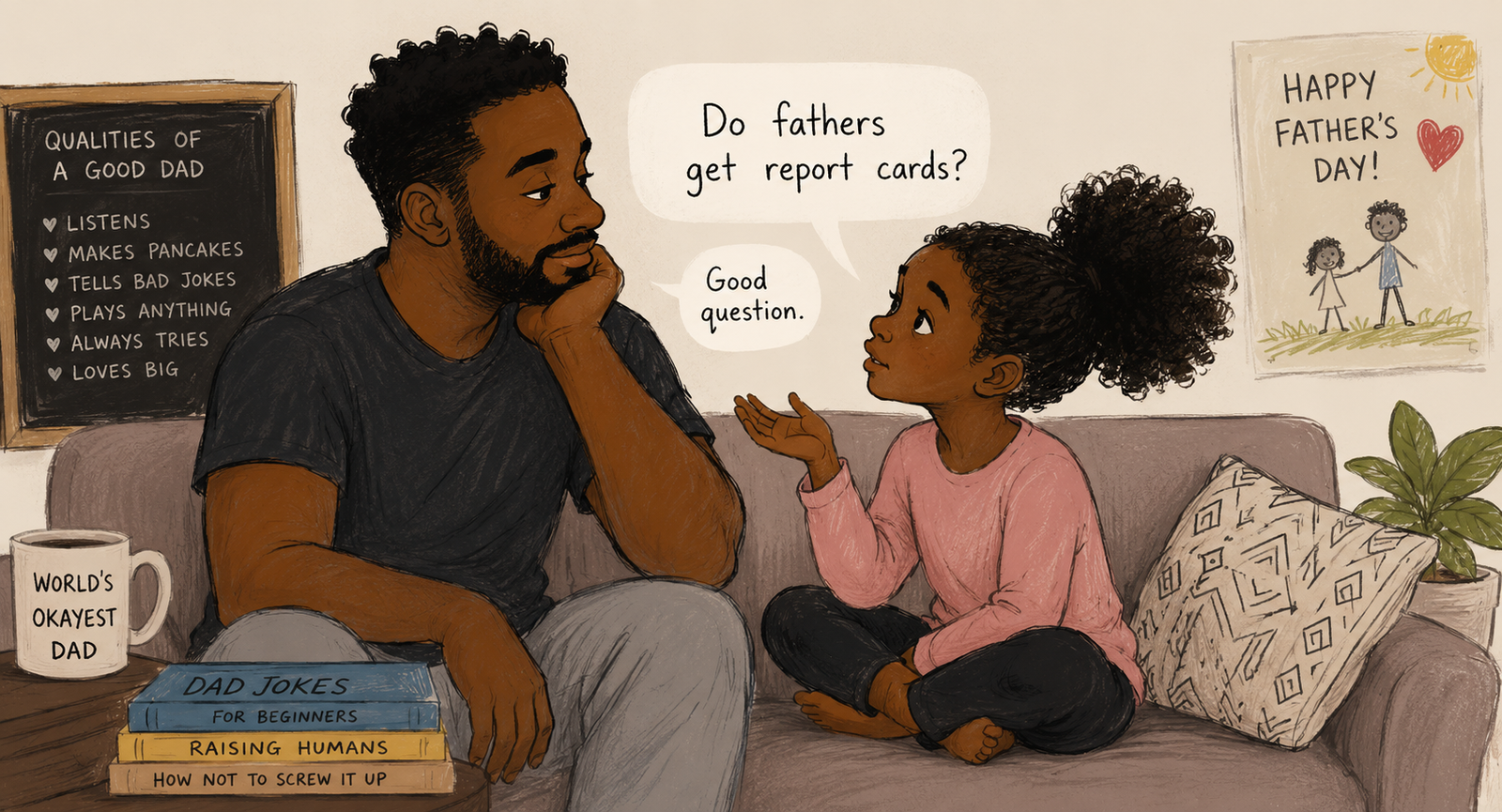
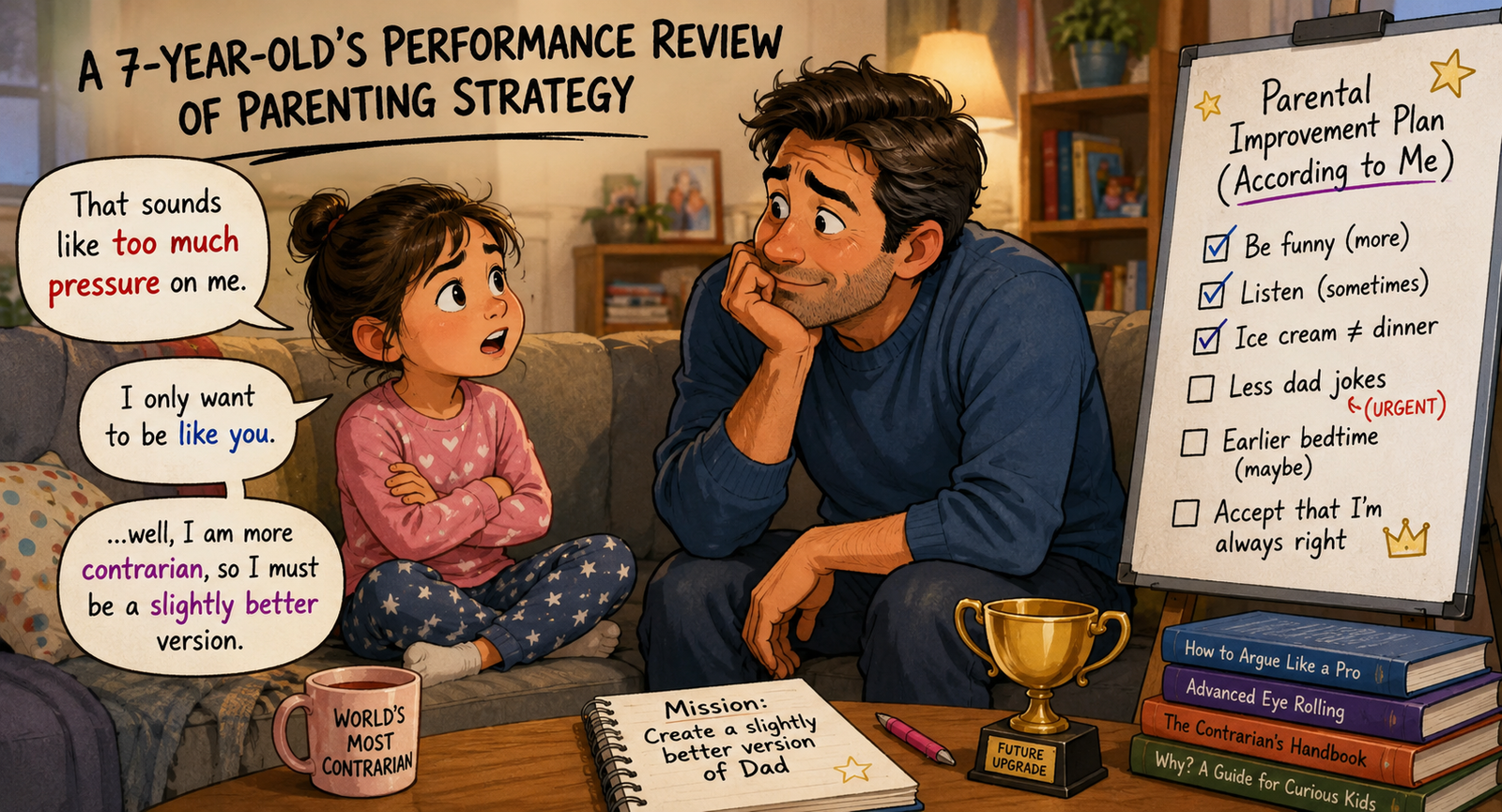
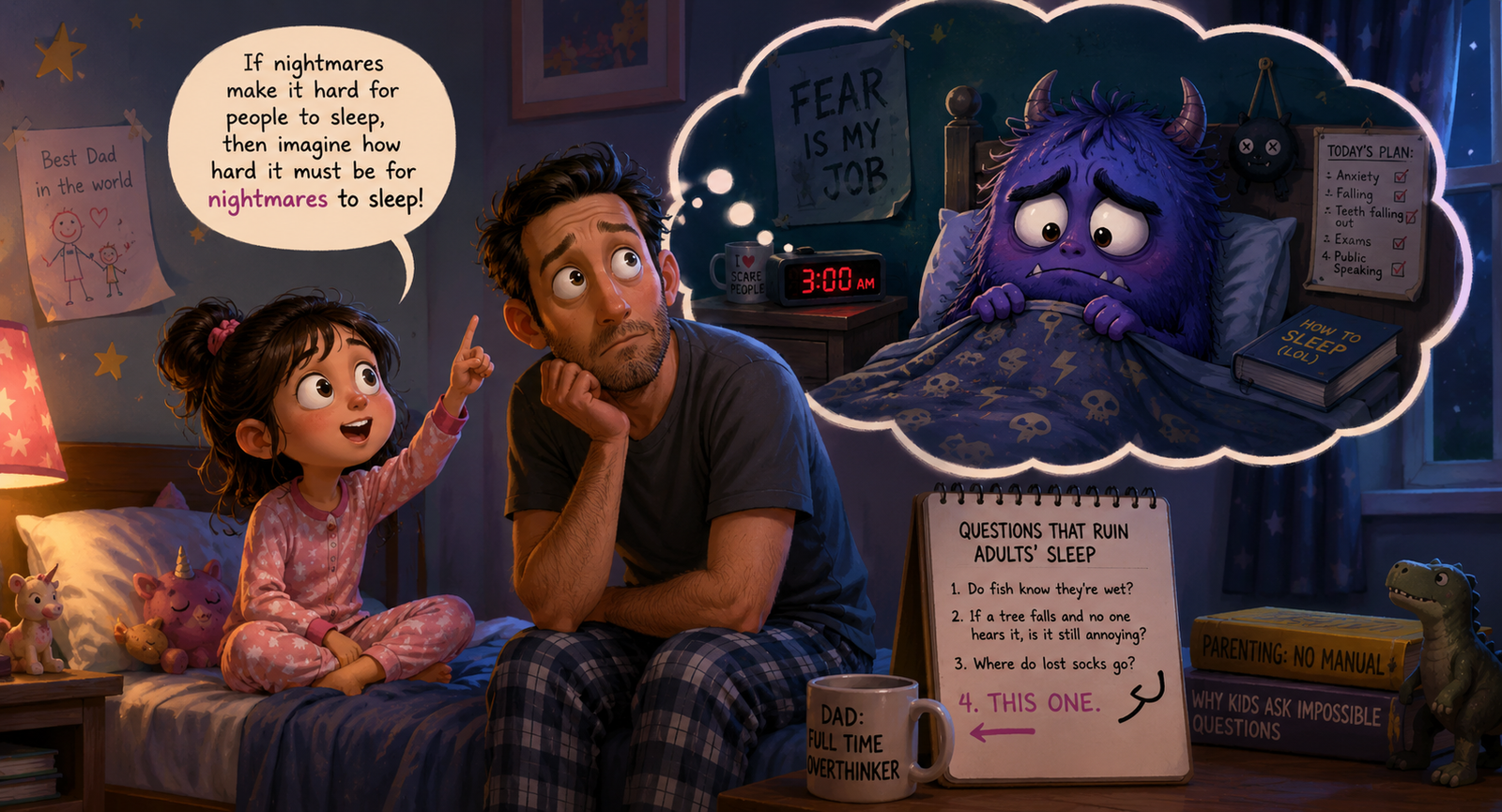
My daughter was sitting nearby, engaged in whatever mysterious activity occupies seven-year-olds when they appear quiet but are almost certainly planning something. She looked up at me with complete seriousness and asked, “Daddy, if nightmares make it hard for people to sleep, then imagine how hard it must be for nightmares to sleep.”
Then she just sat there.
Waiting.
Expecting an answer.
As though she had asked something simple like what time dinner would be ready.
Now, there are some questions that adults can answer confidently. Why is the sky blue? Science has us covered. Why do birds fly? Physics has done the paperwork. Why can’t we eat cake for breakfast every day? Society has collectively decided that happiness must come with restrictions. But the moment my daughter asked about the sleep habits of nightmares, I realized we had wandered far beyond the borders of conventional human knowledge.
Because once you begin thinking about it, the question becomes impossible to escape.
Let’s assume nightmares are real entities. Not dreams themselves, but actual creatures whose entire profession consists of showing up at three o’clock in the morning and convincing people they’re suddenly back in high school and completely unprepared for a final exam in a class they forgot existed. That job sounds exhausting. You cannot spend every evening terrorizing sleeping humans without eventually needing some rest yourself.
Which raises an obvious question.
What exactly keeps a nightmare awake at night?
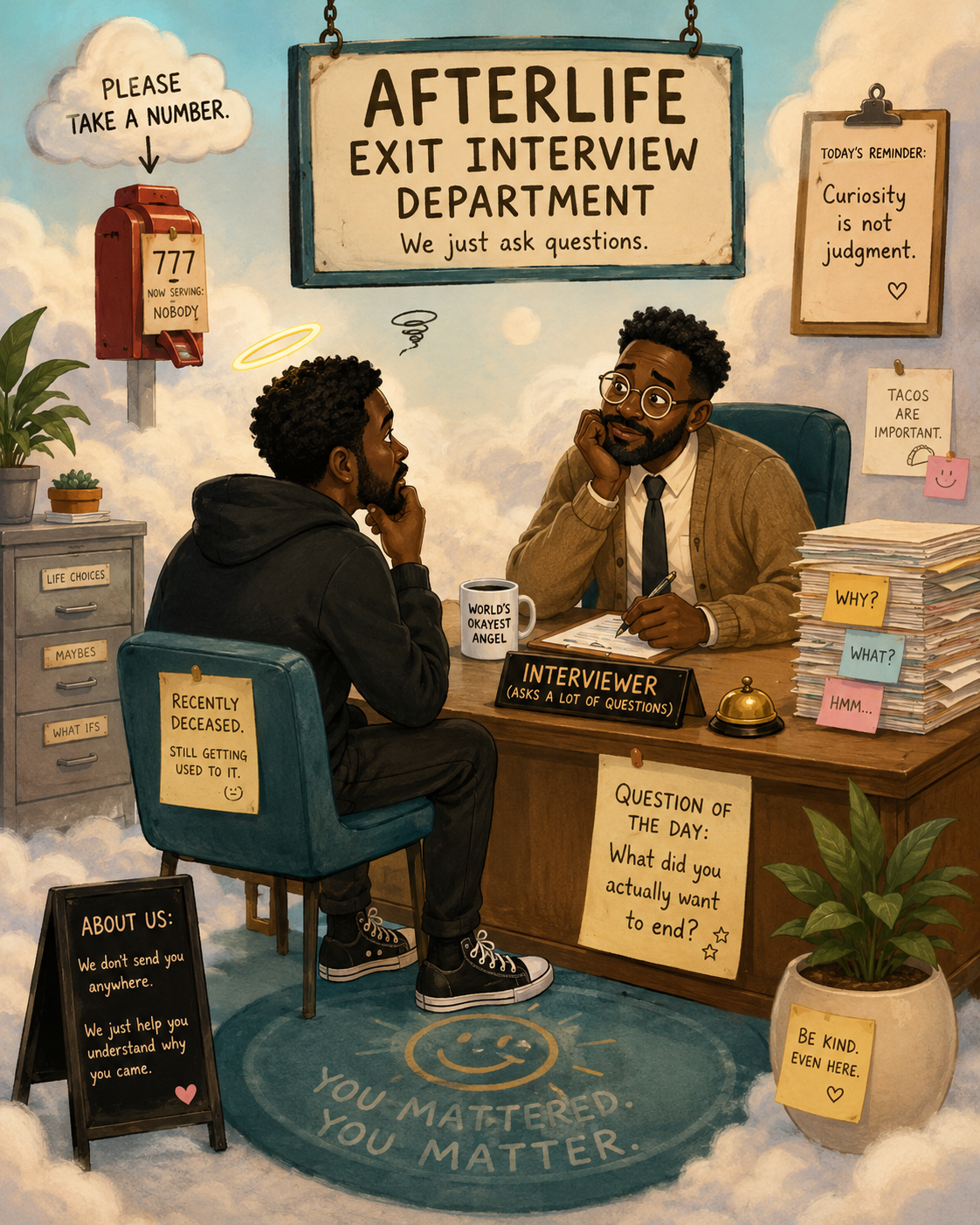
I immediately imagined an entire Nightmare Department somewhere hidden beyond human perception. Every evening thousands of nightmares arrive for work carrying briefcases and travel mugs. They gather around conference tables discussing quarterly performance goals.
One nightmare proudly reports that he successfully convinced a man his teeth were falling out. Another explains that she trapped someone in an airport where every gate changed numbers every thirty seconds. A third nightmare receives an award for creating a dream in which a person had to deliver a presentation while simultaneously forgetting both their pants and the purpose of PowerPoint.
The supervisor nods approvingly.
“Excellent work, everyone. Strong numbers this quarter. Keep up the psychological damage.”
Eventually the shift ends and the nightmares go home.
This is where my daughter’s question becomes dangerous.
Because every creature needs sleep.
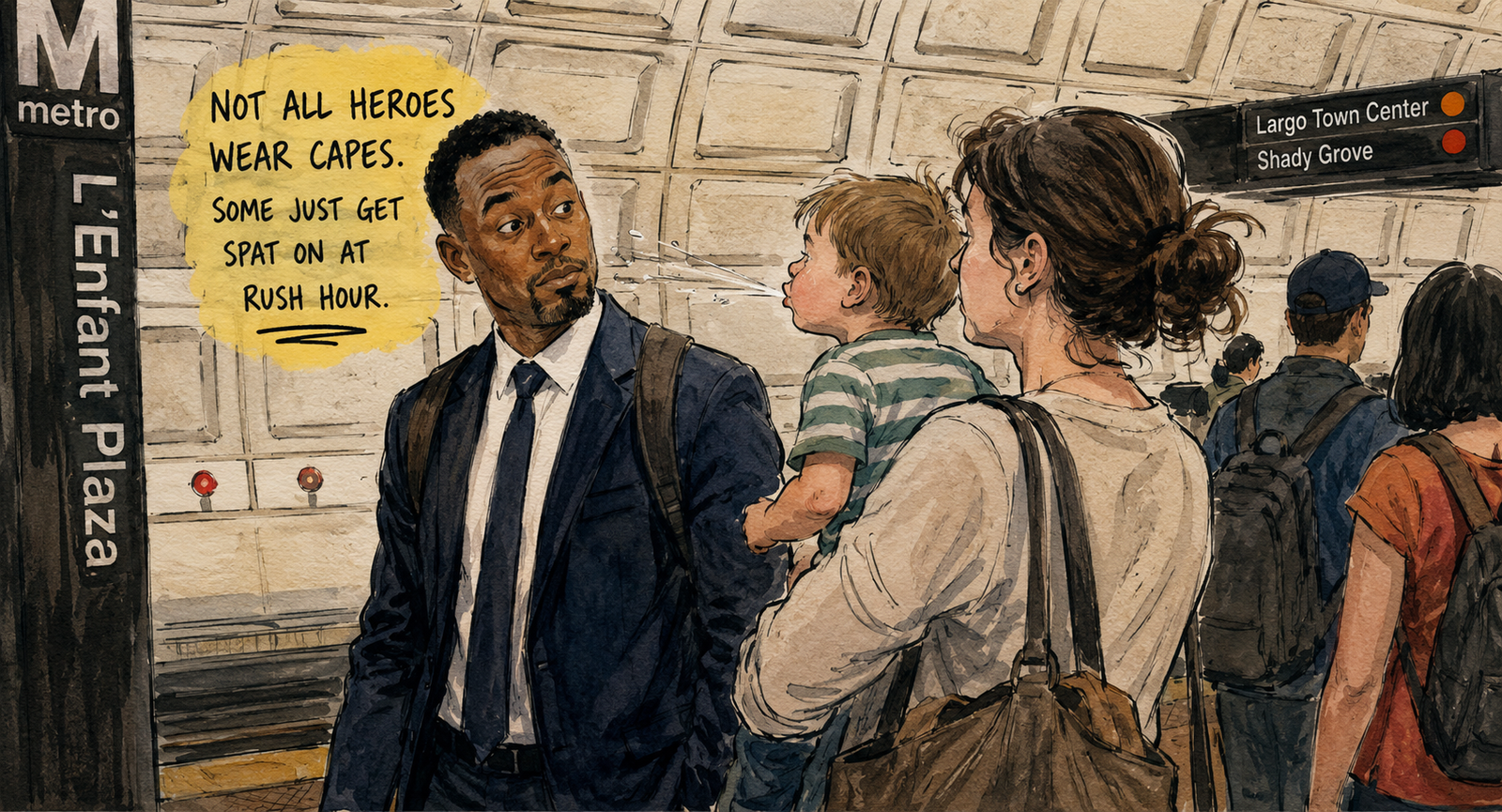
Teachers need sleep. Doctors need sleep. Parents definitely need sleep. The guy who drives the Metro train absolutely needs sleep because I have developed a strong preference for arriving at my destination alive. So eventually a nightmare must crawl into bed, pull up the covers, and attempt to get some rest.
But what does a nightmare dream about?
Perhaps nightmares dream about pleasant things.
Perhaps their version of horror involves customer service representatives answering immediately. Maybe they dream about internet providers delivering exactly the speeds they advertised. Maybe they dream about group projects where every participant contributes equally and nobody says, “Sorry, I just saw this message.”
Imagine a nightmare waking up in a cold sweat.
Its spouse sits upright.
“What happened?”
The nightmare is visibly shaken.
“I had a terrible dream.”
“What was it?”
“Everyone used their turn signal.”
The spouse gasps.
“My God.”
“It gets worse.”
The nightmare’s voice trembles.
“There was a meeting. It started on time. It ended early. Everyone had read the agenda.”
At that point the spouse probably reaches for the emergency medication.
The more I thought about it, the more complicated the entire ecosystem became. Do nightmares have schools? Are there nightmare children struggling through nightmare math classes? Is there some exhausted nightmare parent sitting at a kitchen table trying to explain fractions while their child insists they will never use them in real life?
Imagine the report card conversations.
“I’m concerned about your son.”
“Why?”
“His fear-generation scores are declining.”
“How bad is it?”
“He accidentally gave someone a pleasant dream about reconnecting with an old friend.”
The parent lowers their head in shame.
“We raised him better than this.”
Even worse, what if nightmares themselves have nightmares?
Think about the implications.
If human nightmares are terrifying to humans, then nightmare nightmares must be terrifying to nightmares. Somewhere there may be a frightened nightmare lying awake because it dreamed of a world filled with emotional maturity, functioning bureaucracy, and airline passengers who wait patiently for rows ahead of them to deplane first.
That creature would require immediate counseling.
Its therapist would probably lean forward and ask gentle questions.
“And how did that make you feel?”
The nightmare would stare into the distance.
“Unsafe.”
I eventually realized that my daughter had accomplished something remarkable. She had managed to create a question with absolutely no answer and yet endless consequences. Every attempt to solve it simply created more questions. Do nightmares have vacation days? Do they suffer burnout? Are daydreams just nightmares that discovered work-life balance and better benefits? Is there a nightmare equivalent of LinkedIn where they congratulate each other on terrifying promotion opportunities?
The possibilities became increasingly ridiculous and yet somehow impossible to dismiss.
This, I suspect, is the true power children possess. Adults spend decades constructing a reasonably stable understanding of reality. We build categories. We establish rules. We create mental filing systems that allow us to function without constantly questioning existence. Then a seven-year-old walks into the room and casually removes a critical support beam.
The most impressive part is that children never stick around to deal with the consequences. They ask the question and move on. The intellectual equivalent of tossing a lit firecracker into a room and immediately leaving. Hours later they’re happily coloring pictures while you’re standing in the kitchen wondering whether nightmares have retirement plans and dental insurance.
My daughter certainly wasn’t bothered by any of this. After presenting her question, she continued with her day completely unaffected. She ate dinner. She watched television. She prepared for bed. Then she fell asleep almost immediately, enjoying the kind of peaceful rest normally reserved for people who have not just detonated a philosophical device in someone else’s brain.
Meanwhile I was lying awake staring at the ceiling, wondering whether somewhere in the vast imaginary universe there exists an exhausted nightmare desperately trying to sleep while being haunted by dreams of functioning email chains, efficient government paperwork, and Metro riders who allow passengers to exit before attempting to board.
And if my daughter is right, that poor creature probably spent the entire night awake because its nightmare had nightmare problems of its own.