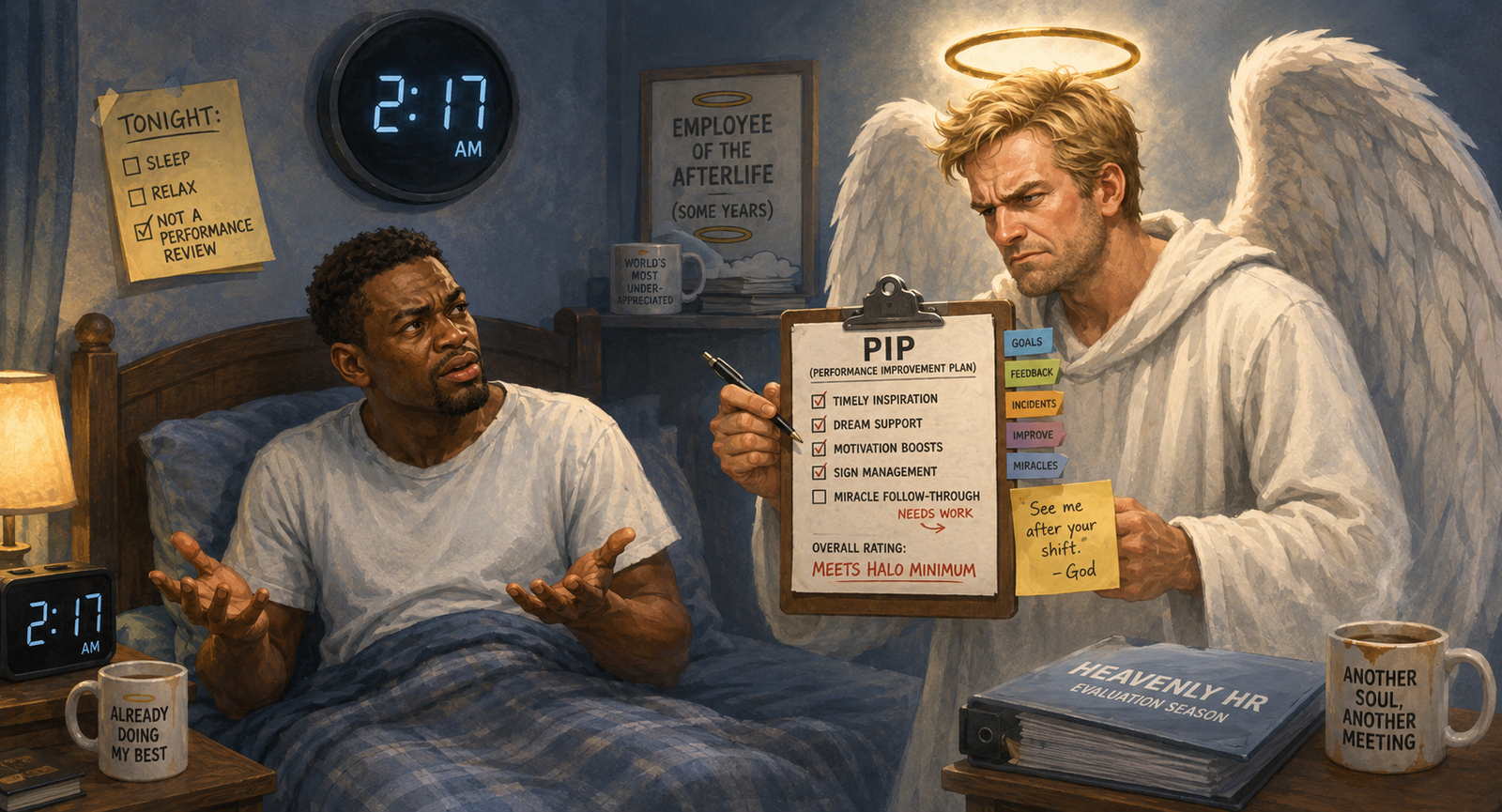
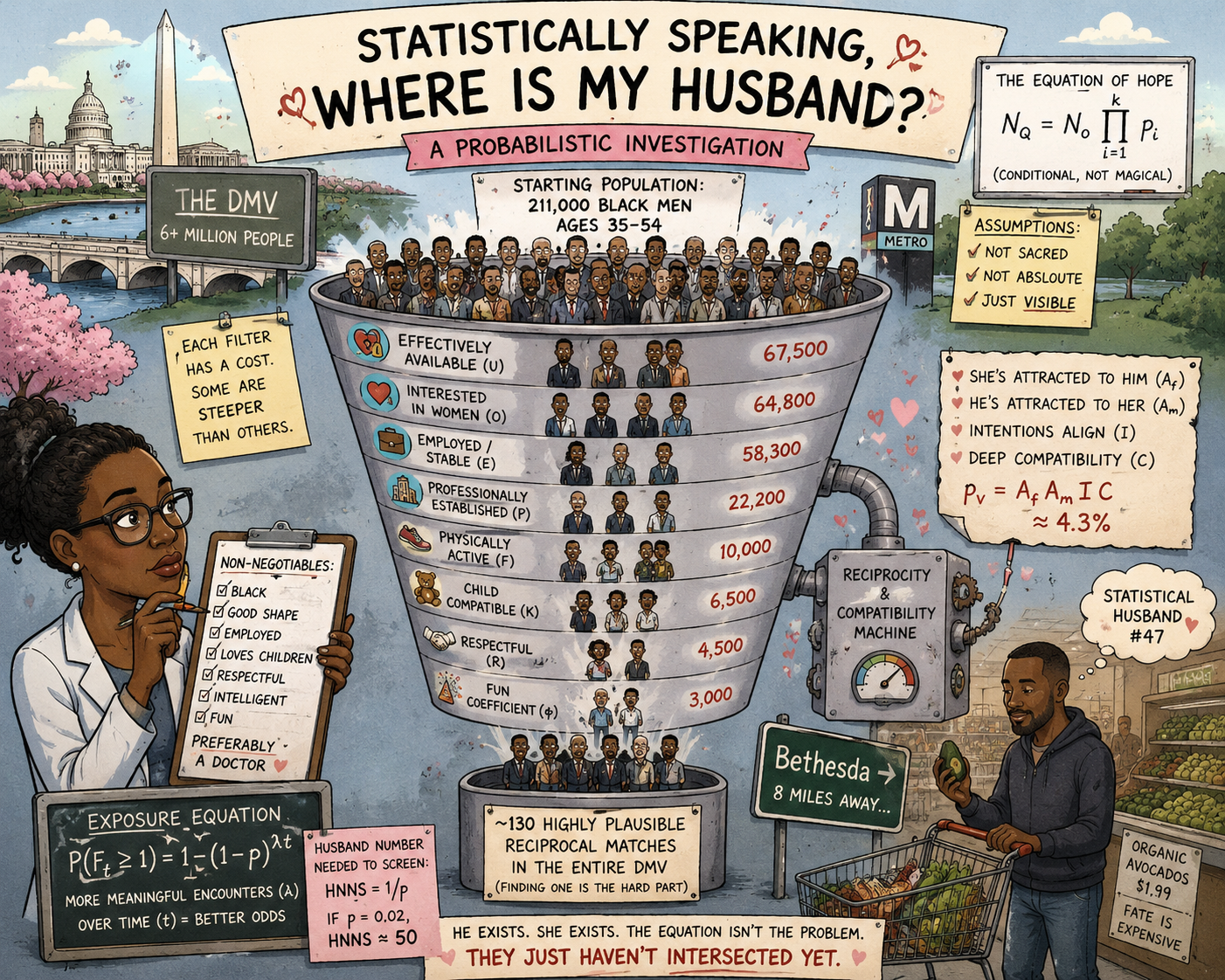
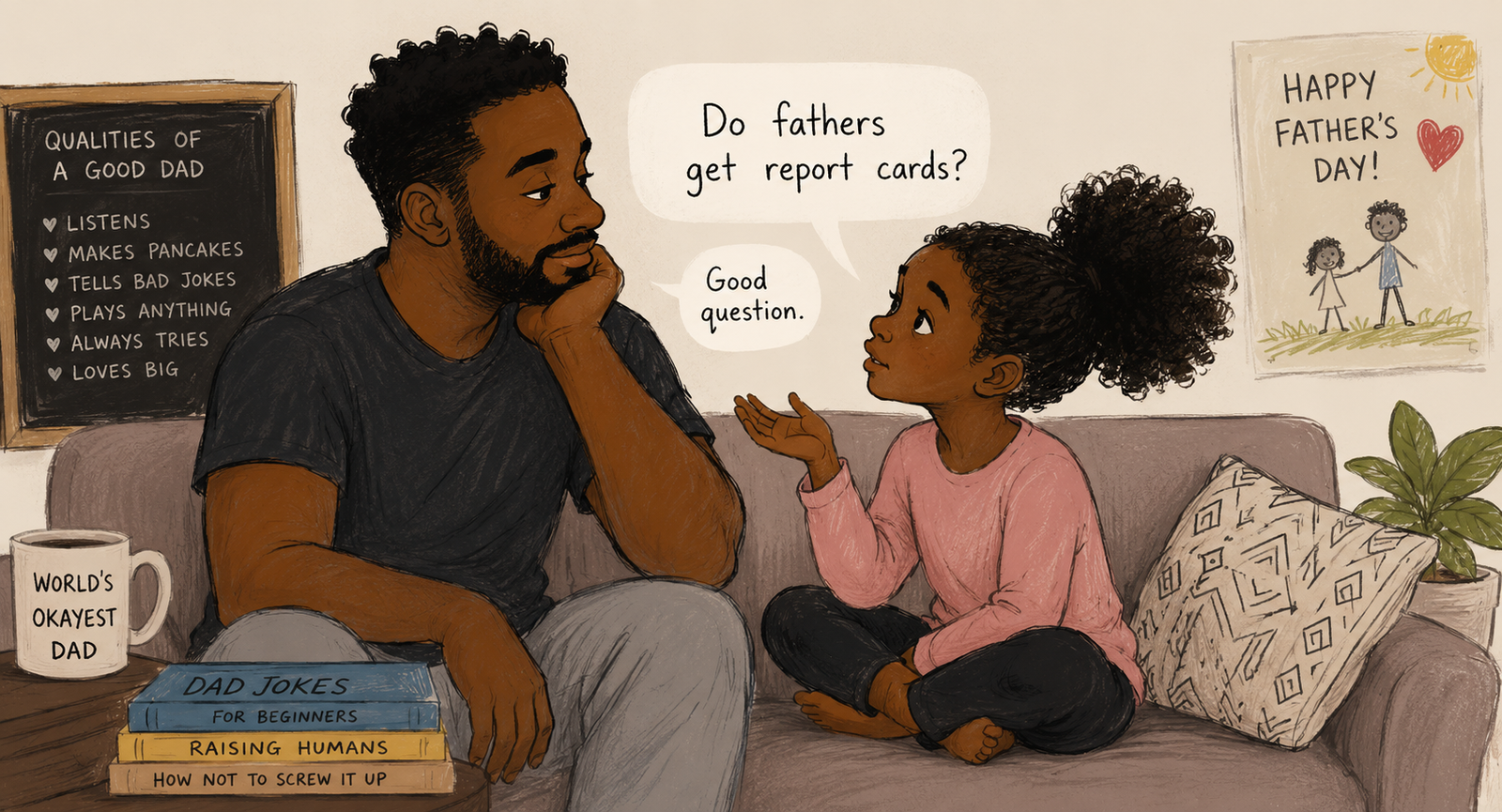
There is a deeply inconvenient stage of healing that nobody advertises properly.
People talk about crisis like it is the worst part. The breakdown. The free fall. The dark thoughts. The point where your mind becomes both the arsonist and the fire alarm. That part gets the dramatic language, the urgent interventions, the solemn nods, the brochures, the hotline numbers, the carefully lowered voices. Fair enough. It is serious. It deserves seriousness.
But what nobody really prepares you for is what happens when the smoke clears just enough for you to realize you do not actually want to die anymore.
You would think this would feel triumphant. Cue the swelling orchestra. Release the doves. Alert the village elders that wellness has entered the chat.
Instead, sometimes it feels terrible.
Not terrible in the same acute, edge-of-the-cliff way. More like standing in the middle of a room after the party is over, surrounded by cups, confetti, and a strange silence, realizing you still have to clean everything up. The crisis is gone, or at least quieter, but now there is this long, awkward stretch called continuing to exist. And continuing to exist, it turns out, is not always immediately inspiring.
That has been one of the strangest things to try to explain in therapy.
How do you tell someone that no longer wanting to disappear can itself feel depressing? That the absence of catastrophe is not the same thing as peace? That surviving your own mind does not automatically make you excited about Monday morning, emails, dishes, traffic, other people’s opinions, or the absolutely criminal cost of groceries?
This is where therapy gets weird in a very specific way.
Because when suicidal thinking has been with you for a long time, it is not only pain. It is also structure. It is awful, yes, but it is familiar awful. And familiar awful has a way of becoming part of the furniture. You know where it sits. You know how it behaves. You know, in some distorted way, what role it plays.
For some people, and I say this with care, suicidal ideation is not just about wanting death. Sometimes it becomes a kind of psychological emergency exit. A private mental clause buried in the contract of being alive. The thought that says, “If this becomes unbearable, there is a way out.”
That thought is dangerous. It is devastating. It is not healthy. But it can also feel perversely stabilizing.
So, when that exit stops feeling like an option, or stops feeling desirable, the emotional aftermath is not always relief. Sometimes it is panic. Sometimes it is grief. Sometimes it is an empty room where a very destructive coping mechanism used to live.
And nobody sends flowers for that.
What I have been learning in therapy, often against my will and with the enthusiasm of a hostage negotiator, is that recovery is not just about removing pain. It is also about losing certain habits of mind that once made pain feel manageable. Even if those habits were terrible. Even if they nearly ruined you. Even if everyone agrees they needed to go.
There is still a loss.
And loss has a mood.
For me, one of the hardest parts has been the emotional flatness that can follow the storm. During the worst periods, everything is heightened. Every thought feels loaded. Every feeling arrives with backup dancers and pyrotechnics. Your entire inner life is overfunded. It is exhausting, but it is vivid.
Then therapy starts doing its job. The volume comes down. The sharpest edges soften. You become less interested in self-annihilation. Objectively, this is excellent news. I would like to be very clear on that point.
But what rushes in after the danger recedes is not always joy. Sometimes it is boredom. Sometimes it is disorientation. Sometimes it is the bleak administrative burden of having to build a life you are now expected to remain inside of.
That is not a glamorous truth. It does not fit neatly on a wellness quote graphic floating over a beige background with tasteful eucalyptus in the corner.
Yet it is real.
There is also the identity problem, which deserves its own committee hearing.
Who are you when you are no longer the person in active crisis, but not yet the person who feels rooted, hopeful, and reassembled? What exactly is the brand architecture here? Because “recovering” sounds noble in theory, but in practice it can feel like being emotionally between leases.
You are not who you were. You are not yet who you want to be. The old internal logic is breaking apart, and the new one has not finished loading. So you wander around your own life feeling oddly uncredentialed. Decisions become harder. Motivation becomes suspicious. Even simple questions can feel rude.
What do I enjoy?
What matters to me?
What do I want?
I do not know, your honor. I am simply trying not to collapse in a CVS.
Therapy, at least in my experience, often asks you to sit inside this uncertainty without dramatizing it, without running from it, and without trying to convert every uncomfortable feeling into a final conclusion about your life. This is noble work. Also deeply annoying.
Because I would much rather have a cinematic breakthrough. I would like one perfect sentence, one transcendent insight, one emotionally efficient turning point where everything clicks and I rise like a well-adjusted phoenix from the ashes of poor coping and unresolved pain.
Instead, healing seems to involve a lot of noticing. A lot of naming. A lot of saying, “This feels empty,” and then not making a blood oath with the emptiness. A lot of learning that just because a feeling is loud does not mean it is prophetic.
That may be the part I resist most. Not the sadness itself, but the ordinariness of getting better.
No thunderbolt. No spiritual confetti cannon. Just the slow, repetitive labor of building tolerance for a life that no longer revolves around destruction.
And yet, for all my complaining, there is something quietly profound about that.
Because maybe this stage is not evidence that healing is failing. Maybe it is evidence that healing is becoming less theatrical and more structural. Less about surviving the night and more about learning how to inhabit the morning. Less about intensity and more about endurance.
That kind of work can feel unremarkable while it is happening. It does not always produce dramatic stories. Sometimes the victory is that you made it through a Tuesday without bargaining with oblivion. Sometimes progress looks like going to therapy, saying something painfully honest, then coming home and folding laundry with the emotional energy of a wilted houseplant. Sometimes it looks like discovering that you are still sad, but differently sad. Still tired, but no longer courting ruin.
That matters.
I think part of the depression that follows this realization comes from the fact that once death is no longer being unconsciously positioned as a backup plan, life stops being hypothetical. It becomes your actual assignment. Not the abstract idea of life. Your life. This body. This brain. These bills. This history. This inconveniently continuous self.
And that can feel heavy.
It can also feel unfair. Especially if you did not ask for this much pain in the first place. Especially if the road back is long and unglamorous. Especially if everyone around you seems to think that once you are no longer in visible distress, the issue has been resolved and the ribbon-cutting ceremony for your new mindset can begin.
Meanwhile, you are still in the rubble, trying to assemble meaning out of spare parts.
So yes, sometimes realizing I no longer want to die has made me feel low in a completely different way. Not because I want to go backward, but because moving forward asks more of me than despair did. Despair, in its own twisted way, simplifies things. Living requires participation. It asks for imagination. It demands repetition. It wants investment before certainty.
Quite frankly, that is a very aggressive business model.
Still, I am beginning to understand that this emptiness is not necessarily permanent. It may just be the psychological space left behind after something destructive has been removed. Space can feel hollow before it feels open. Silence can feel threatening before it becomes restful. A life no longer organized around self-erasure may feel unfamiliar before it starts to feel like home.
I do not say that lightly. I say it as someone still learning it in real time.
Therapy has not made me into a glossy brochure version of resilience. I am not floating through life dispensing serene wisdom and drinking herbal tea in a state of transcendent emotional governance. I remain suspicious, tired, occasionally dramatic, and fully capable of being inconvenienced by my own healing.
But I am here.
And sometimes “I am here” is not a small sentence.
Sometimes it is the whole miracle, stripped of branding.
If you are in this strange middle place too, where the crisis has loosened its grip, but joy has not yet arrived, I hope you know this does not mean you are doing recovery wrong. It may mean you are in one of its least discussed chapters. The part where the emergency has passed and now you must learn the far less cinematic skill of staying.
That is hard work. Sacred work, even. Not because it feels noble every day, but because it does not.
Because sometimes staying looks ordinary.
Sometimes it looks dull.
Sometimes it looks like brushing your teeth while feeling vaguely betrayed by consciousness.
And sometimes, against all odds, that is still a form of hope.
If these feelings are close to the surface for you right now, please reach out to someone immediately. In the U.S. and Canada, call or text 988 for the Suicide & Crisis Lifeline. If you might act on these thoughts or feel unsafe, call emergency services now or go to the nearest ER.